|
 |
 |
 |
||
 |
||
 |
||
 |
||
 |
||
 |
||
 |
||
 |
||
 |
Day Trip to Chamula and Zinacantán: What to ExpectLast update on 19th-AUGUST-2025
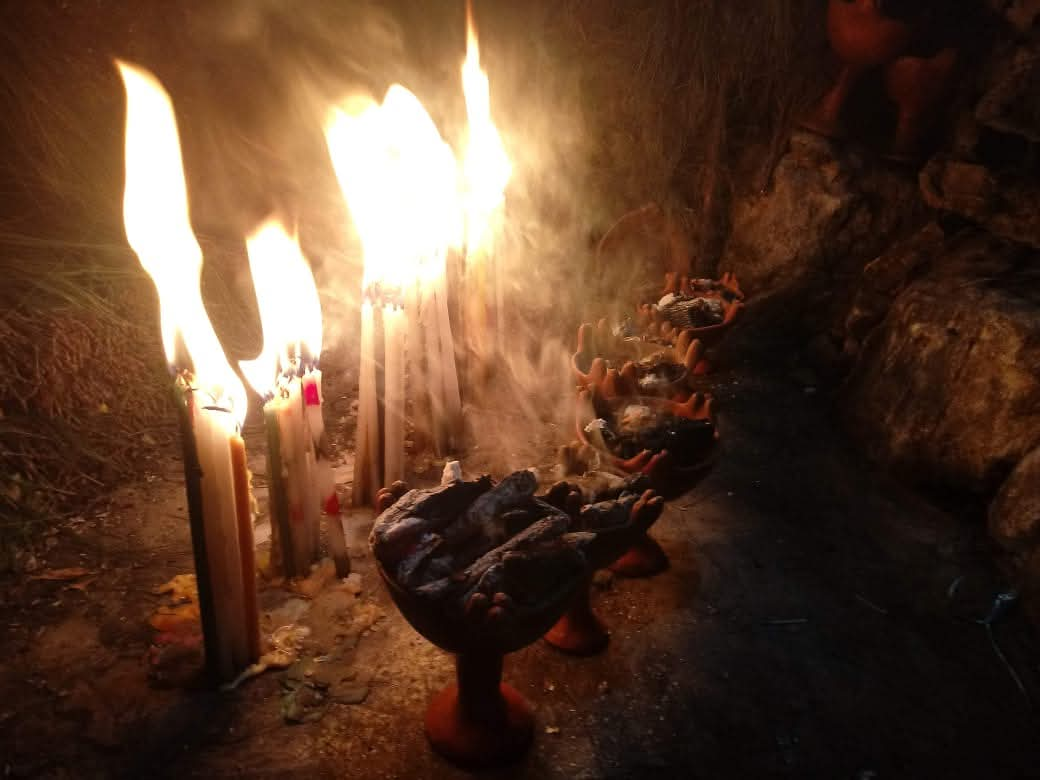
Visiting Chiapas isn’t complete without experiencing the unique traditions of San Juan Chamula and Zinacantán. Just a short drive from San Cristóbal de las Casas, these indigenous towns open a door to centuries-old customs, spirituality, and a way of life that blends Mayan heritage with present-day practices. A day trip to both places offers travelers not only a cultural experience but also a chance to understand how traditions continue to shape daily life in Chiapas. San Juan Chamula: A Spiritual EncounterChamula is unlike anywhere else in Mexico. The highlight of a visit is the San Juan Bautista Church, a sacred space that feels worlds apart from conventional Catholic churches. Inside, you won’t find pews or stained glass. Instead, pine needles cover the floor, thousands of candles illuminate the space, and the air is thick with incense. Families gather to perform rituals that blend Catholic saints with ancient Mayan practices, often involving prayers, offerings, and even live chickens as part of the ceremonies. Photography is strictly prohibited inside the church, and visitors are asked to be respectful. This is not a show for tourists but a living religious practice. The experience is powerful and deeply moving for many travelers. Zinacantán: A World of Colors and TextilesAfter Chamula, the trip continues to Zinacantán, a Tzotzil Maya town famous for its vibrant handwoven textiles. Women here proudly wear traditional clothing with intricate floral embroidery in shades of purple, pink, and green. Many families welcome visitors into their homes or workshops to show how the weaving is done, using backstrap looms just as their ancestors did. You’ll often be offered handmade tortillas fresh off the comal, along with coffee or posh, the traditional corn-based liquor of the region. This hospitality is part of the experience and provides insight into the community’s lifestyle. What to Expect on the Day Trip
Are Chamula and Zinacantán the Only Towns Worth Visiting?Not at all. While Chamula and Zinacantán are the most accessible and popular for day trips, there are many other indigenous communities around San Cristóbal de las Casas that are fascinating in their own way. Each has its own identity, traditions, and specialties: Amatenango del Valle: The Land of PottersLocated about an hour from San Cristóbal, Amatenango del Valle is renowned for its clay pottery. Women artisans, often dressed in striking white and blue traditional dresses, shape and fire clay pieces by hand, creating everything from functional cookware to decorative jaguars and doves. Buying directly from the artisans not only supports the community but also gives you the chance to take home a truly authentic piece of Chiapas. Tenejapa: Markets and Living TraditionTenejapa is known for its Thursday market, one of the most colorful and traditional in the region. Locals from surrounding villages gather to trade textiles, food, and crafts, and men can often be seen wearing their distinctive black wool tunics. Visiting on market day is the best way to witness the town’s lively atmosphere and see how trade and tradition come together. Oventik: A Glimpse of Zapatista LifeFor those interested in Chiapas’ recent history, Oventik, one of the Zapatista caracoles (autonomous centers), offers a unique perspective. While visits must be arranged respectfully and photography may be limited, travelers who make the journey can learn about the Zapatista movement, community projects, and the alternative governance structures that continue to thrive in these autonomous territories. It’s not a tourist attraction, but an educational and thought-provoking stop for those who want to understand the political dimension of Chiapas.. Simojovel: The Amber CapitalA few hours north of San Cristóbal lies Simojovel, famous for its amber mines. Chiapas amber is among the finest in the world, and in Simojovel you can see where it originates. Local shops and artisans offer jewelry and carved pieces, often with ancient insects or plants trapped inside the fossilized resin. Visiting here connects travelers not only with the natural history of the region but also with a centuries-old craft. Final Tips
💡 Travel Tip: Explore with About San CristóbalMake the most of your stay in Chiapas with our tailored trips. We offer:
Whether you’re looking for culture, history, or crafts, we’ll help you design the perfect experience. 📩 Contact Us Today |